


Add music to your video without drowning out your voice
Camtasia Editor gives trainers royalty-free music, plus fade and volume controls to keep background music behind the narration.
Getting the music right is trickier than it looks
Music tracks you aren’t sure you can legally use
Finding music you like is time-consuming, but checking licenses to avoid copyright claims takes even longer.
Sound mixes that drown out your voice
You set the volume once, but quieter narration can still disappear under the track entirely.
Mixes that break with each edit
One small change to the narration in a completed video can require recutting the music, too.
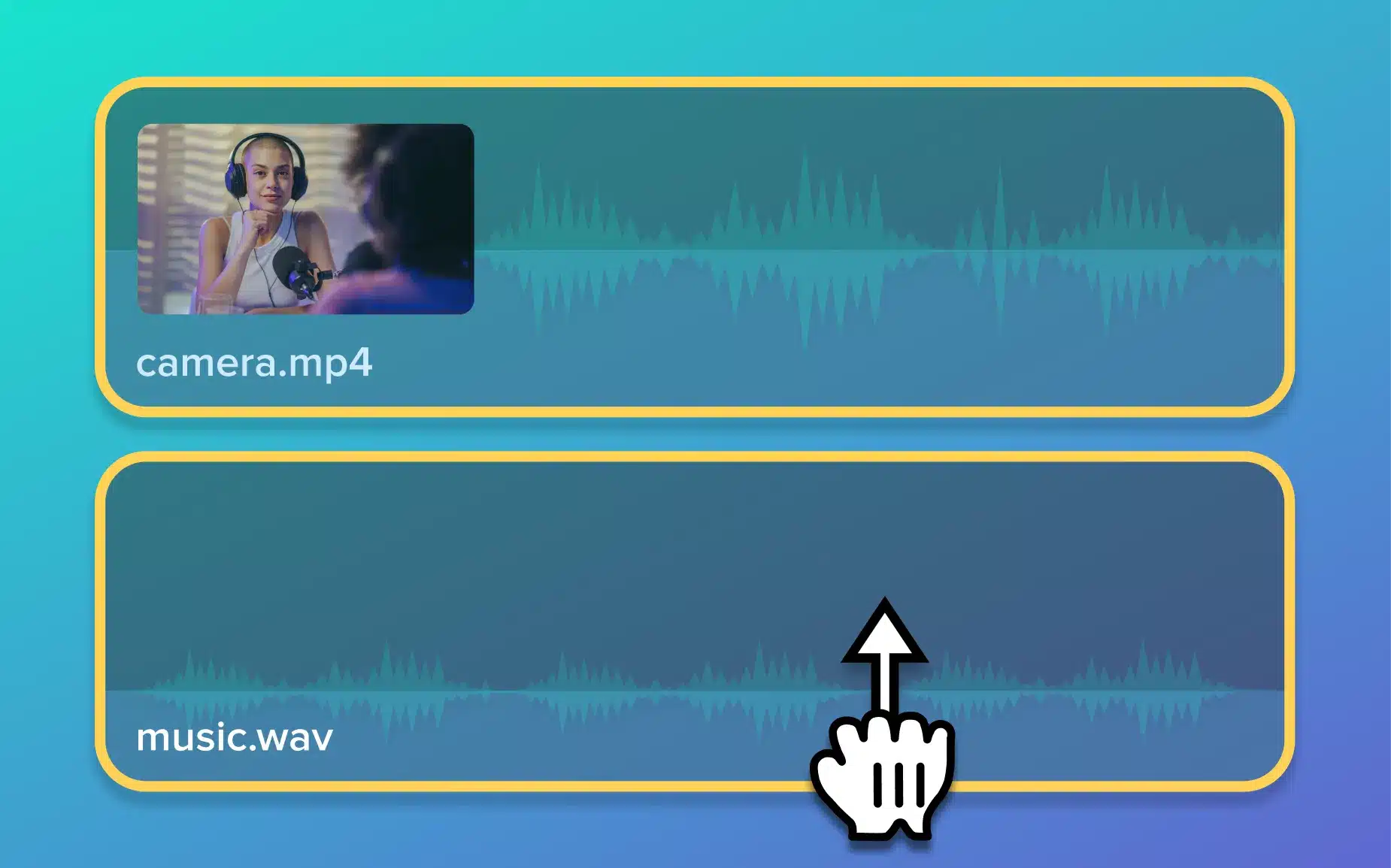
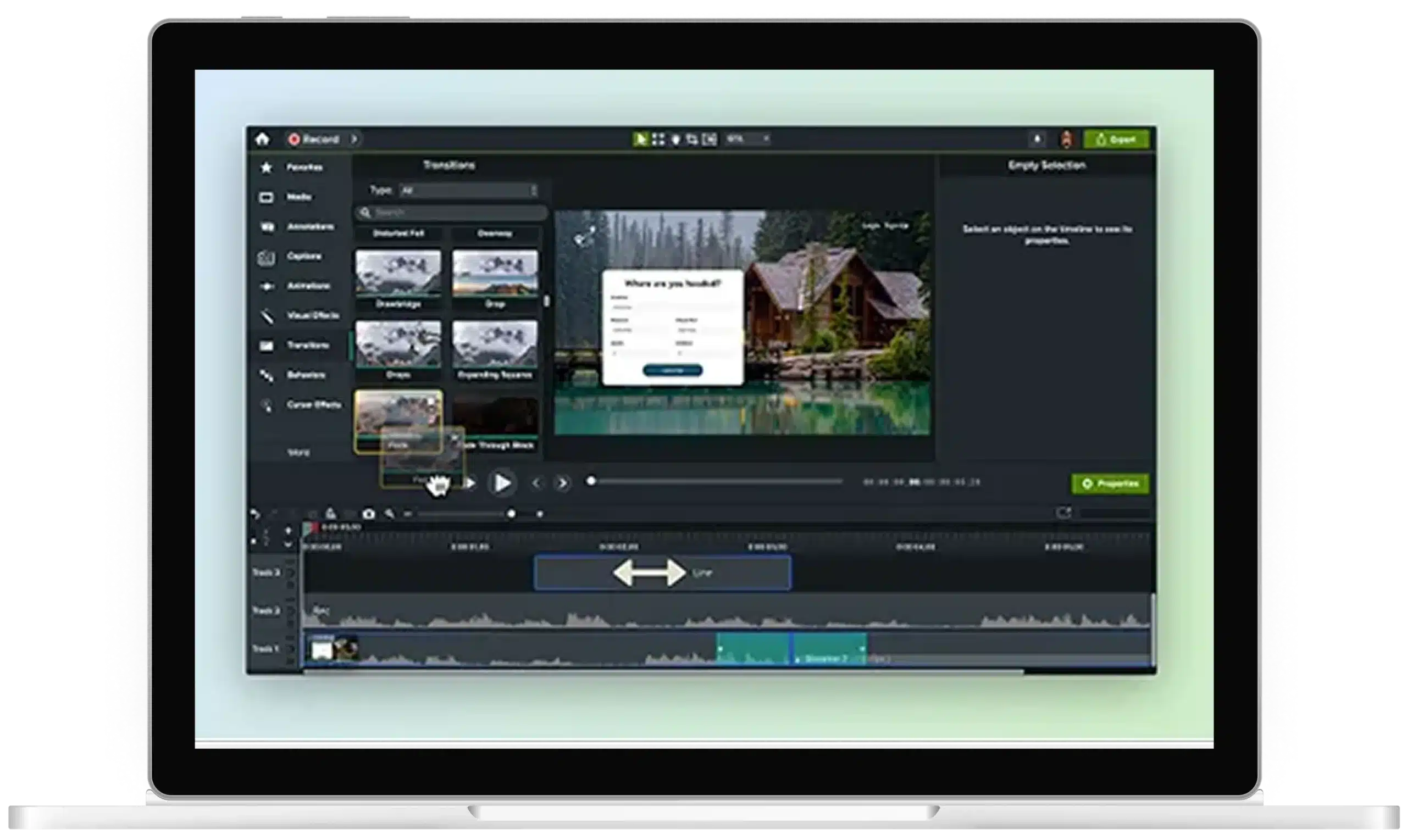
Music on its own track, separate from your narration Editor is the best way to
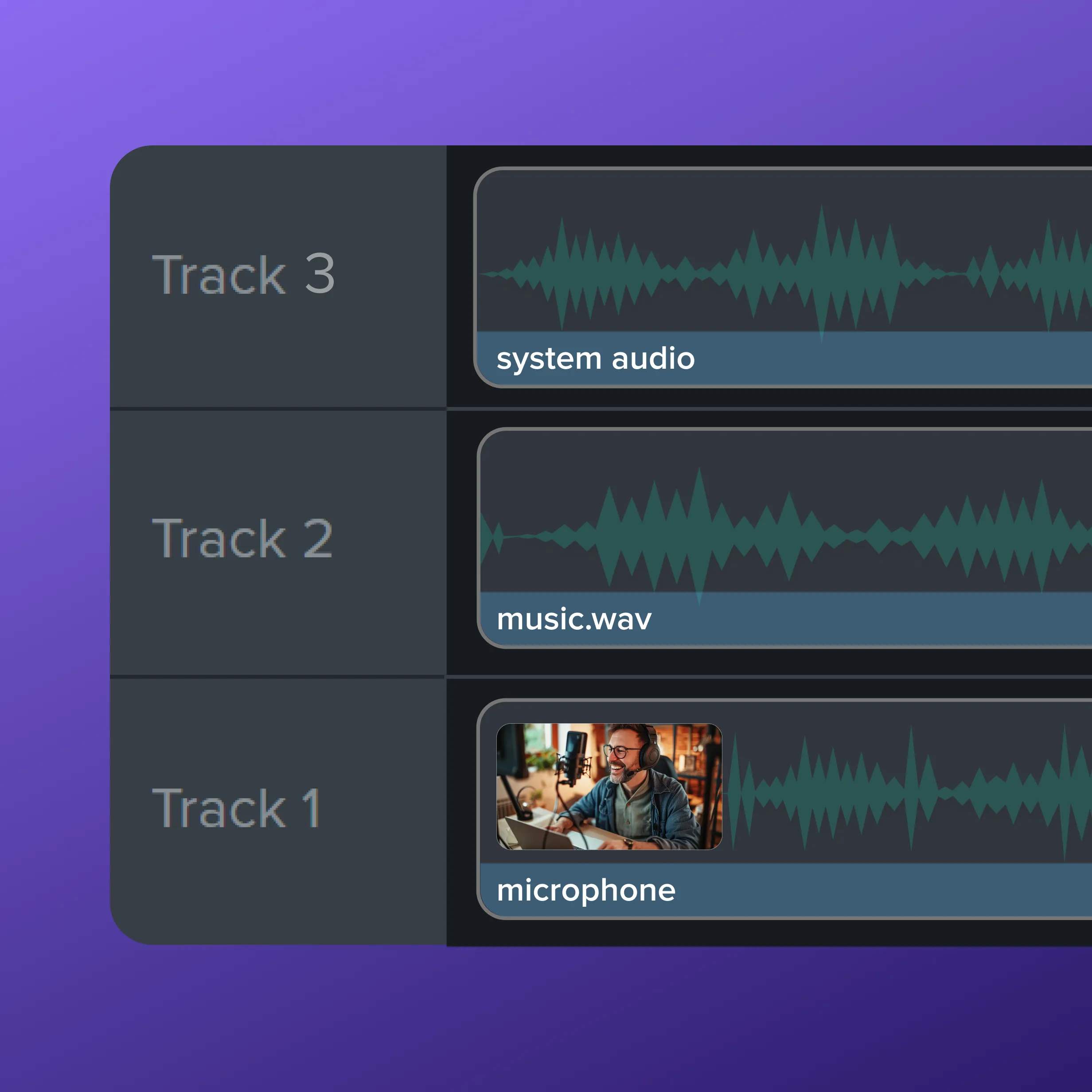
Tracks stay separate
Music doesn’t share a track with your voiceover, so a volume adjustment to one won’t affect the other.
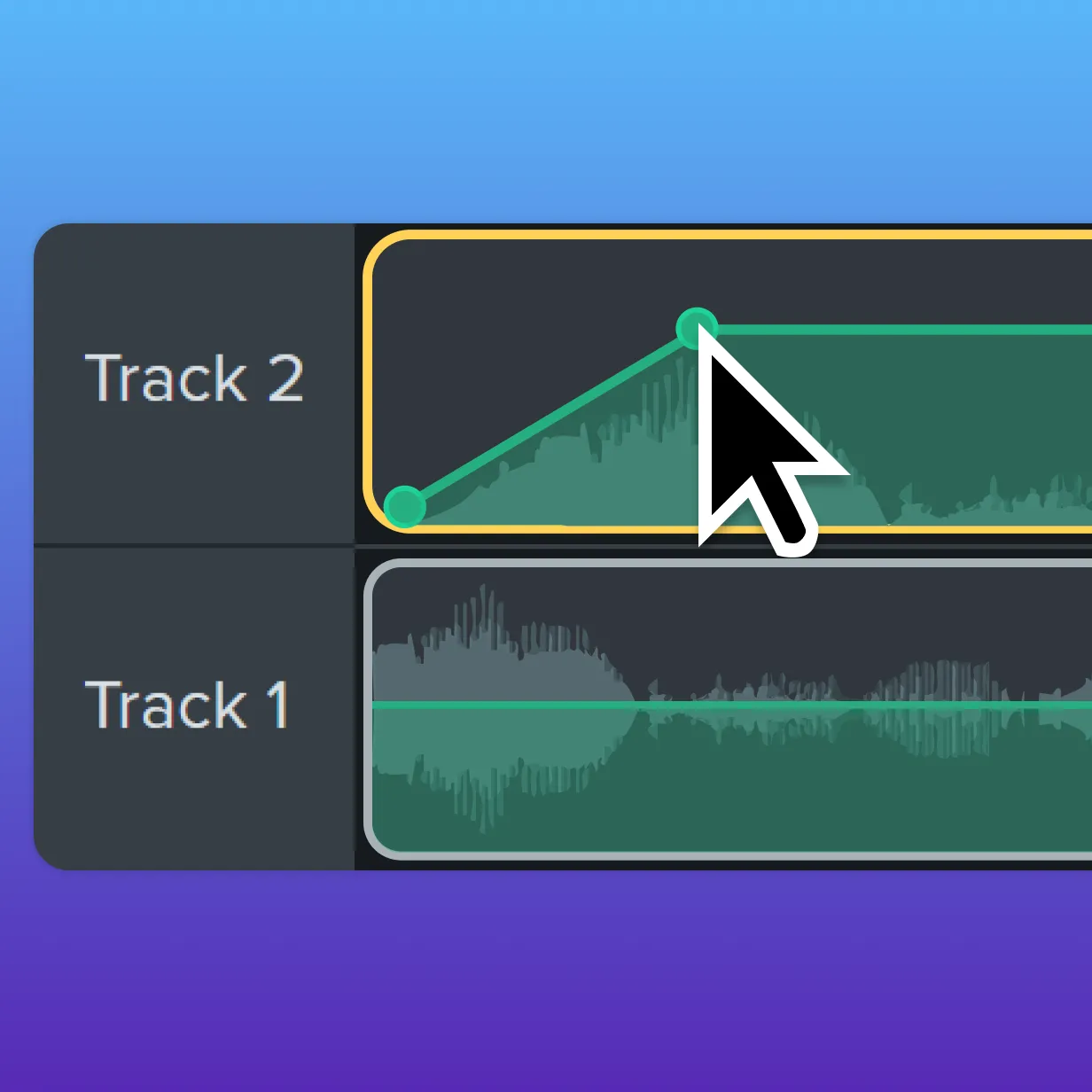
Trim, fade, and balance
Trim a track to length, fade it in and out, or use Emphasize to automatically lower the music when you speak.
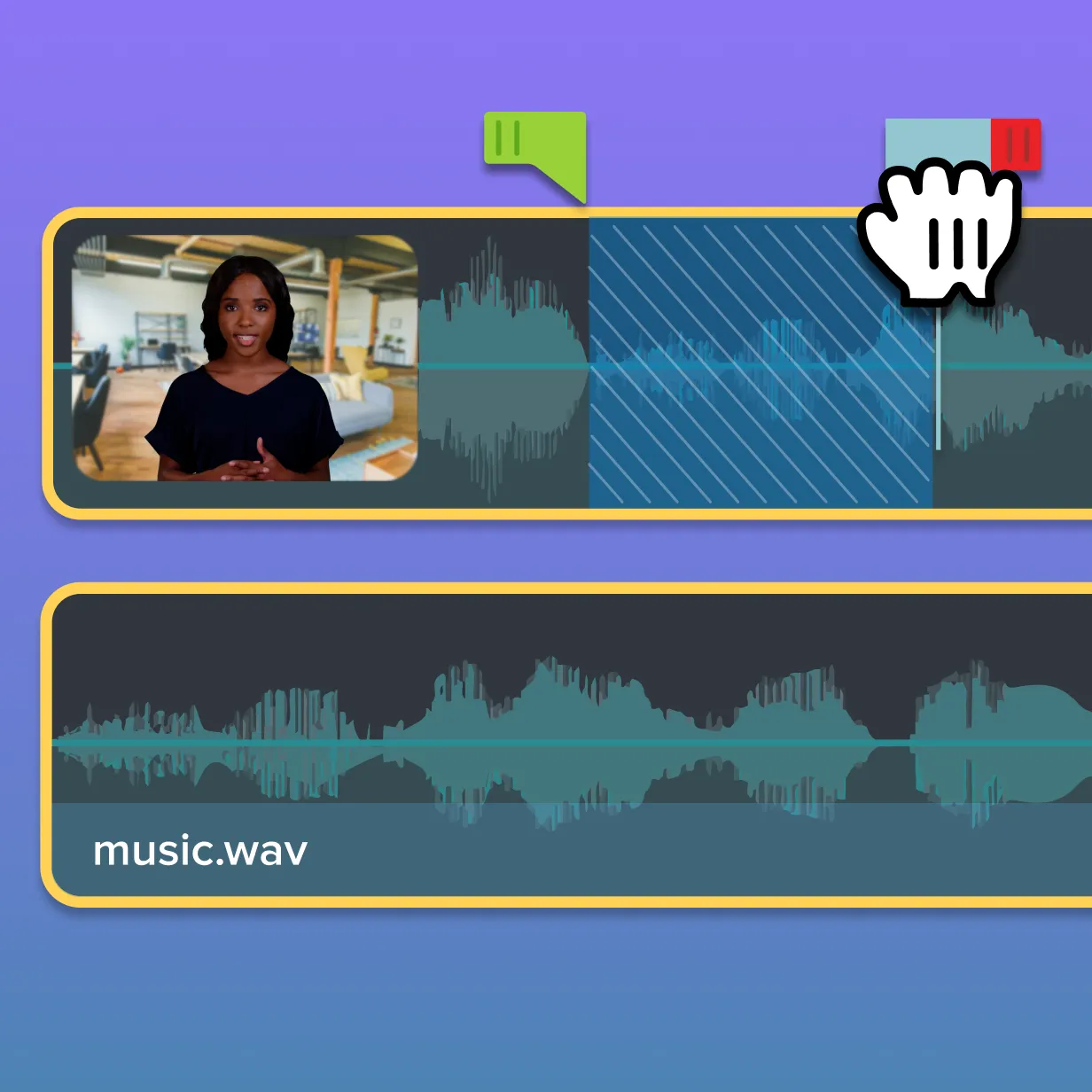
Edit without remixing
Each track is independent, so a change to the narration or a swapped clip won’t require a music remix.
Royalty-free music without the guesswork
A built-in library inside your editor
Search and browse tracks, preview them in your video, and drop your selection onto the timeline without leaving Camtasia Editor.
Usage terms you can trust
Choose royalty-free music for internal and client-facing videos without searching multiple sites, comparing licenses, or risking copyright issues.
One sound across your series
Create brand consistency by using the same approved track across an entire training series.
Your video deserves better background music
Start a free trial to add music to your training video with full control over volume, fades, and track placement.
Frequently asked questions
Still can’t find what you need? Contact us and we’ll help you out.
Both options are available. Camtasia Editor includes a searchable library of royalty-free music you can browse and preview without leaving your project. You can also import MP3 or WAV files you own or are licensed to use. Once imported, your own tracks drop onto the timeline the same way as any library track, so you’re never locked into one source.
Camtasia Editor’s built-in tracks are royalty-free, meaning you can use them in your projects without paying extra licensing fees. Even so, it’s smart to check the specific license terms for each track before publishing to a platform, especially for public or monetized content. If you import external music, make sure you own it or have permission first, since importing a file doesn’t automatically grant you the right to use it.
Because music sits on its own track in Camtasia Editor, you can lower its volume independently of your narration or system audio without touching either one. A common approach is to set the music level well under your voice, then add fade-in and fade-out points so it eases in during the intro and steps back once you start talking. This keeps instructions clear while still giving your video a finished, professional feel.
No. Camtasia Editor keeps music, microphone audio, and system audio on separate tracks, so trimming or moving one doesn’t shift the others. If you shorten a demo or rerecord a section of narration, your music stays right where you placed it instead of falling out of sync or forcing a full remix.
Camtasia Editor supports common formats like MP3 and WAV for imported music, in addition to the tracks already available in the built-in library. That covers the file types most trainers, educators, and documentation teams already have on hand, so there’s no need to convert anything before bringing it into your project.
Check out our tutorial that will walk you through everything you need to know.